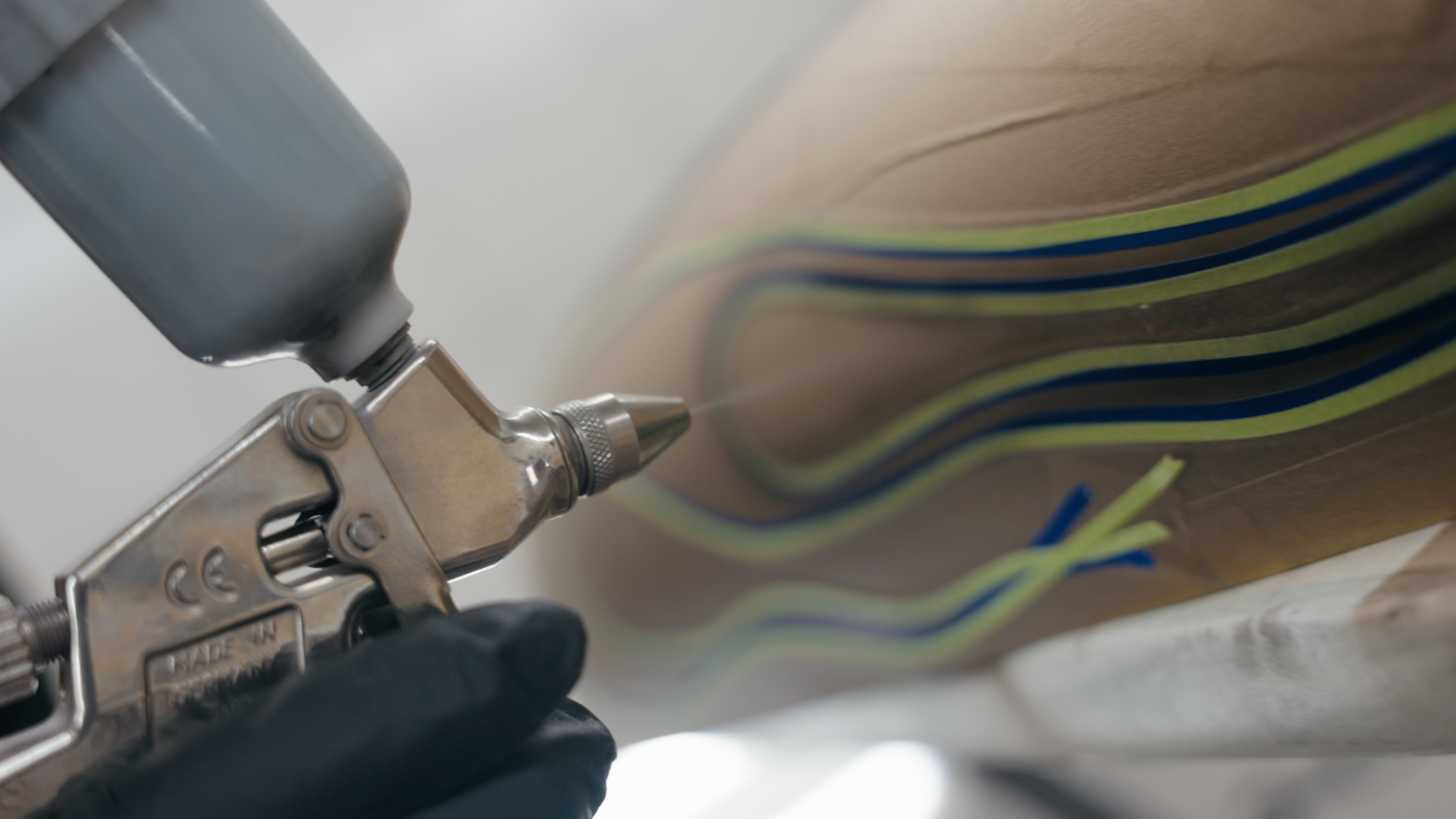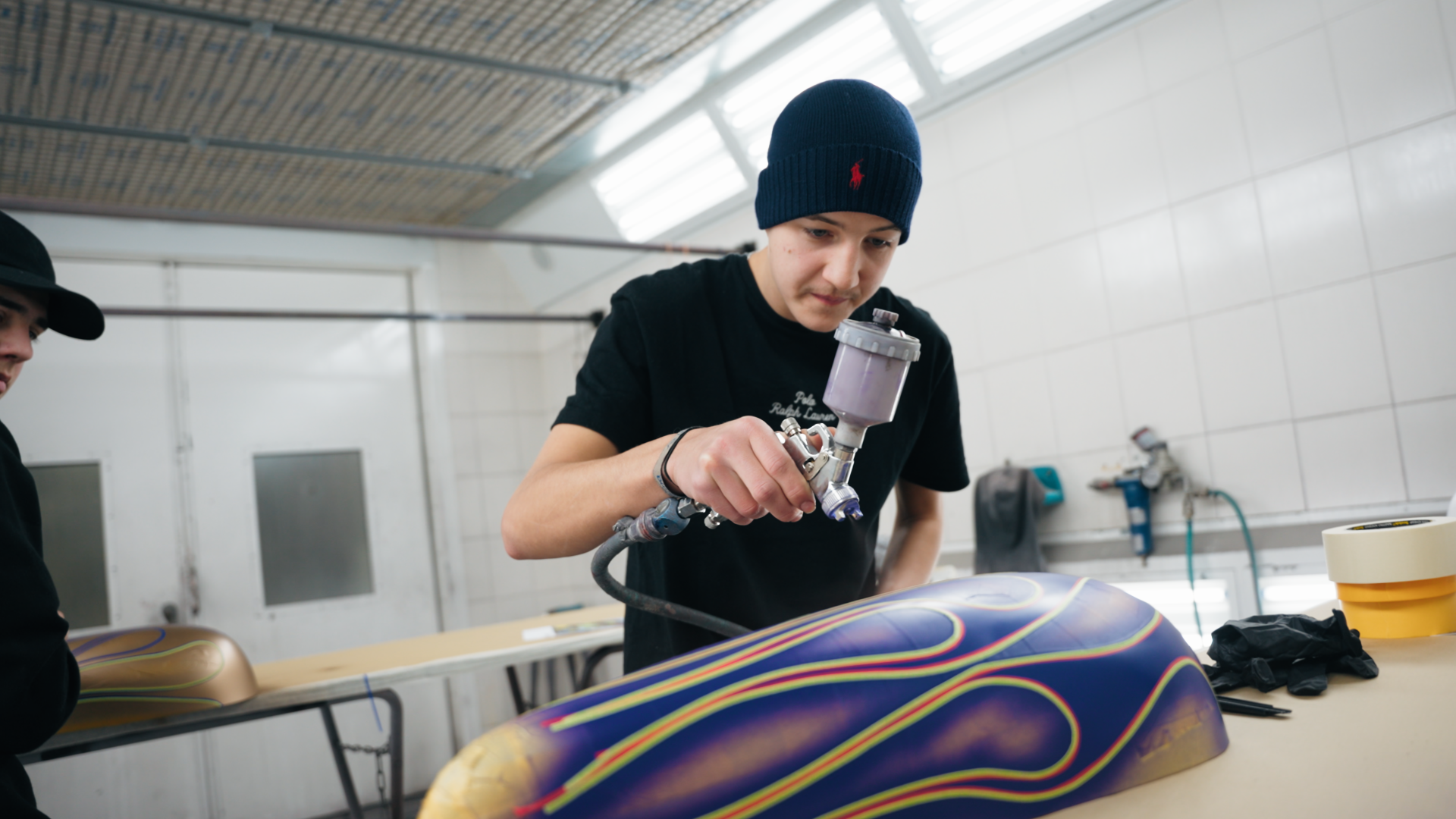


Custom painting can be an exciting way to personalize your space, furniture, or creative projects. However, many beginners make common mistakes that can lead to disappointing results. At MW Designs, we've seen countless projects transform when people understand these pitfalls and how to avoid them. Whether you're painting a bedroom, refreshing furniture, or tackling a creative DIY project, learning from others' experiences will help you achieve professional-looking finishes on your first try.
Skipping Surface Preparation
One of the most critical steps in custom painting is preparing your surface properly. Many beginners rush through this phase, but it's where the foundation of a great paint job is laid. Dust, dirt, grease, and old paint can prevent new paint from adhering correctly, leading to peeling and uneven coverage.
Always clean your surface thoroughly with appropriate cleaners for the material you're working with. Sand down rough areas and remove any loose paint. If you're painting over a glossy finish, lightly sand it to help the new paint grip better. From our experience at MW Designs, we've found that spending an extra hour on preparation can save you days of frustration later. Taking time with this step might seem tedious, but it makes an enormous difference in the final result.
Using Low-Quality Paint and Tools
Investing in quality paint and brushes is essential for a professional finish. Cheap paint often has poor pigmentation and coverage, meaning you'll need multiple coats to achieve the desired color. Budget brushes shed bristles and leave streaks, making your work look amateurish.
Choose paint appropriate for your project—interior, exterior, or specialty finishes—and select brushes and rollers designed for your specific paint type. Quality tools make application smoother and faster, ultimately saving you time and frustration. We've learned this lesson firsthand when working on custom design projects.
Ignoring Primer
Primer is not just an extra step; it's an investment in durability and appearance. Skipping primer can result in poor color coverage, especially when painting over dark surfaces or stains. Primer helps paint adhere better and provides a uniform base for your topcoat.
Use primer when painting over new surfaces, making dramatic color changes, or covering stains and marks. It ensures your final paint color looks true and lasts longer.
Applying Paint in Poor Conditions
Temperature, humidity, and lighting all affect how paint dries and looks. Painting in direct sunlight can cause paint to dry too quickly, creating lap marks and uneven coverage. High humidity can slow drying time and trap moisture, while cold temperatures prevent proper paint curing.
Check the paint manufacturer's recommendations for ideal application conditions. Aim for moderate temperatures and humidity levels, and avoid painting in direct sunlight. If possible, work indoors or in shaded areas for better control over your environment. Here in the Netherlands, we've learned to plan our painting projects around our climate conditions for optimal results.
Not Allowing Adequate Drying Time
Impatience is a common beginner mistake. Applying a second coat before the first is fully dry can result in streaking, color inconsistency, and a compromised finish. Different paints have different drying times, so always read the label.
Plan your project with drying time in mind. Rushing the process will only lead to having to redo sections or sand and repaint entirely, which takes far more time than waiting initially.
Using Incorrect Painting Techniques
How you apply paint matters just as much as what paint you use. Overloading your brush or roller with paint leads to drips and uneven coverage. Painting in random directions creates visible brush strokes and an unprofessional appearance.
Use smooth, controlled strokes in one direction. For walls, paint in overlapping "W" or "M" patterns, then fill in the gaps. For furniture or trim, follow the grain or natural lines of the piece. Practice your technique on a test surface first if you're unsure.
Neglecting Ventilation and Safety
Many beginners underestimate the importance of proper ventilation when painting. Paint fumes can be harmful, especially in enclosed spaces. Additionally, wearing protective gear like gloves, eye protection, and a mask prevents paint from getting on your skin and protects your respiratory system.
Open windows and doors to create airflow, use fans if needed, and wear appropriate safety equipment. Your health is worth the extra precaution.
Not Testing Colors First
Choosing a paint color based solely on a small swatch or online image can lead to regret. Colors look different under various lighting conditions and on different surfaces. Applying a color you haven't tested to your entire project is a costly mistake.
Always paint a test section on your actual surface and observe it under different lighting throughout the day. This simple step prevents the disappointment of committing to a color that doesn't work in your space.
Conclusion
Custom painting doesn't have to be intimidating. By avoiding these common beginner mistakes—preparing properly, investing in quality materials, using primer, controlling your environment, allowing adequate drying time, applying paint correctly, prioritizing safety, and testing colors—you'll be well on your way to achieving beautiful, professional-looking results. At MW Designs, we're passionate about helping you create spaces you love. Take your time, follow best practices, and enjoy the satisfaction of a job well done.