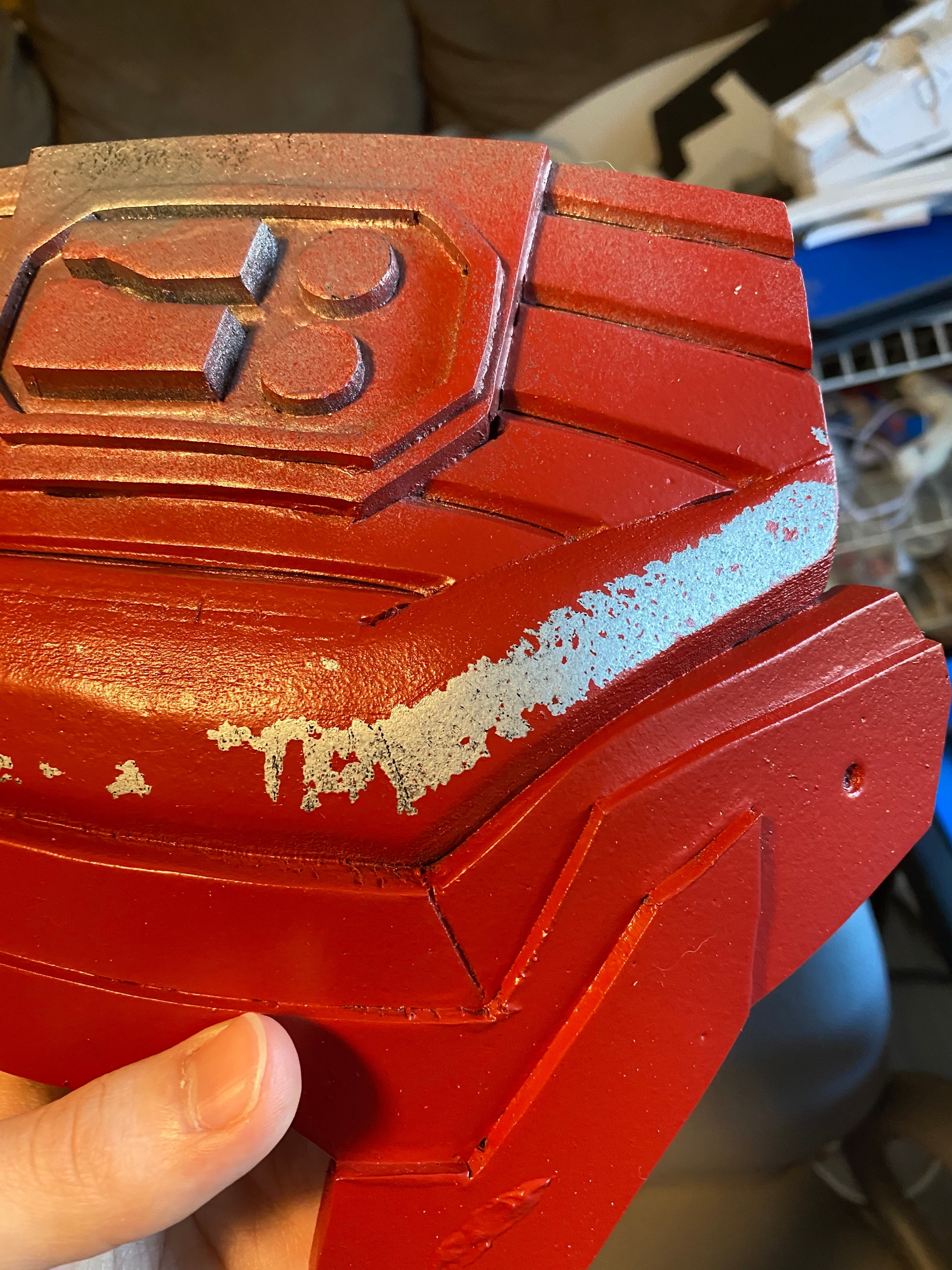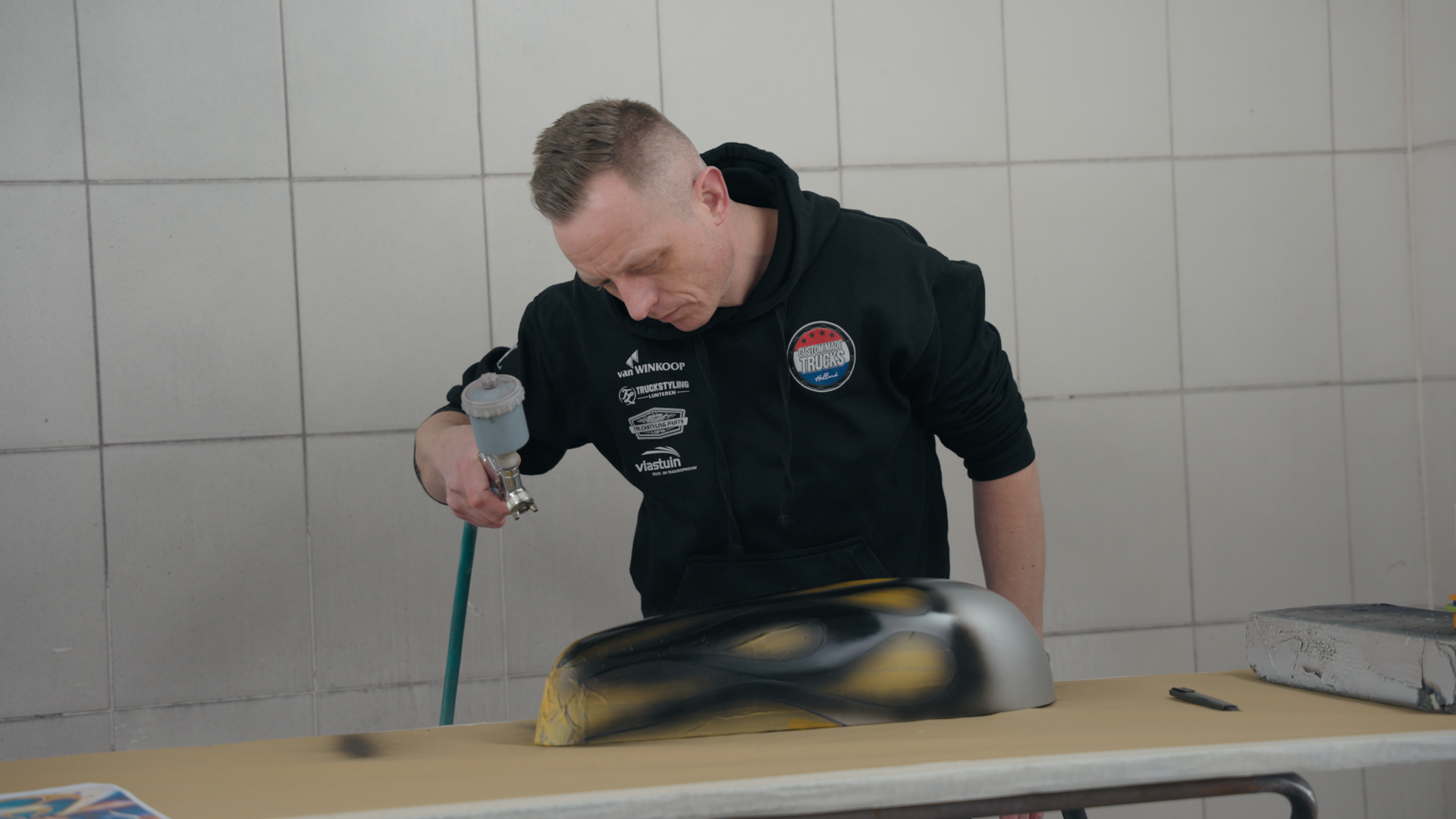


Airbrush splatter is one of the most frustrating problems for beginners. Your lines look messy, paint sprays unevenly, and your work instantly looks unprofessional. The good news: it's almost always easy to fix once you understand what's causing it.
What Causes Airbrush Splatter?
Splatter occurs when your airbrush can't atomize paint properly. Several common factors are responsible:
- Paint consistency is too thick
- Air pressure is too low
- Airbrush nozzle or needle is dirty or clogged
- Spraying distance is too far from the surface
Even a single one of these issues can compromise your entire project.
1. Paint Too Thick
This is the most common cause of airbrush splatter. Thick paint cannot be atomized properly by your airbrush, resulting in uneven, sputtering spray patterns.
Solution: Thin your paint to the right consistency before spraying. Most airbrush paints should have a milk-like consistency. Test on scrap material first to ensure proper flow.
2. Wrong Air Pressure
Air pressure directly affects how your paint atomizes. Too low pressure causes splatter and incomplete coverage, while too high pressure creates overspray and loss of control.
Start with medium pressure and adjust gradually based on your results. Different paint types and airbrush models may require different settings, so experimentation is key.
3. Dirty Airbrush
Paint buildup inside your airbrush clogs the nozzle and needle, blocking proper airflow and causing splatter. This is especially problematic if paint dries inside the brush.
Solution: Clean your airbrush thoroughly after every use. Flush with appropriate cleaner and use a soft brush to gently remove dried paint from the needle and nozzle.
4. Distance and Control
Holding your airbrush too far from the surface causes the paint to dry mid-air and land unevenly. Inconsistent movement also creates splatter patterns.
Maintain a consistent distance (typically 6-8 inches) and use smooth, controlled strokes for even coverage.
Quick Fix Checklist
- Verify paint thickness and thin if necessary
- Test and adjust air pressure settings
- Clean your airbrush completely
- Maintain proper distance and steady hand movement
Address these factors and you'll see immediate improvement in your airbrush results.
Master Your Airbrush Technique
Understanding splatter prevention is just the beginning. Proper airbrush control, layering techniques, and consistent practice are essential for professional results. Our training covers everything from fundamental setup to advanced control methods, helping you develop the skills needed for flawless finishes every time.